Haew Narok Waterfall: Visitor Guide
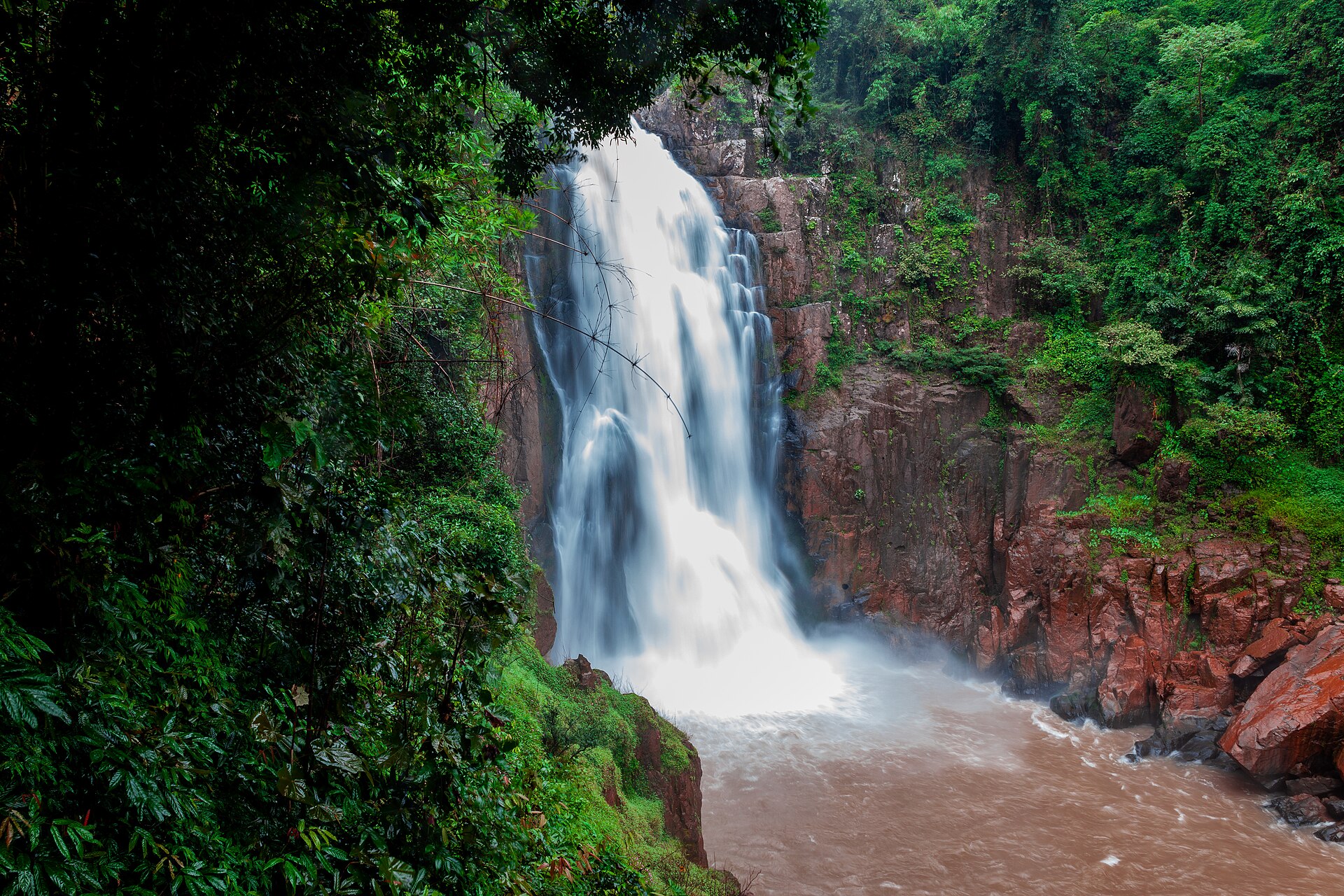
The tallest and most dramatic waterfall in Khao Yai National Park, thundering down a cliff in three great tiers.
Photo: Supanut Arunoprayote, CC BY 4.0, via Wikimedia Commons
Introduction
Haew Narok is Khao Yai’s showpiece waterfall. The name translates roughly as “Abyss of Hell”, a reference to the deep gorge into which the water plunges. The park lists its total height at about 150 metres across three tiers, making it the tallest waterfall in the park and one of the most impressive in Thailand during the rainy season.
Destination overview
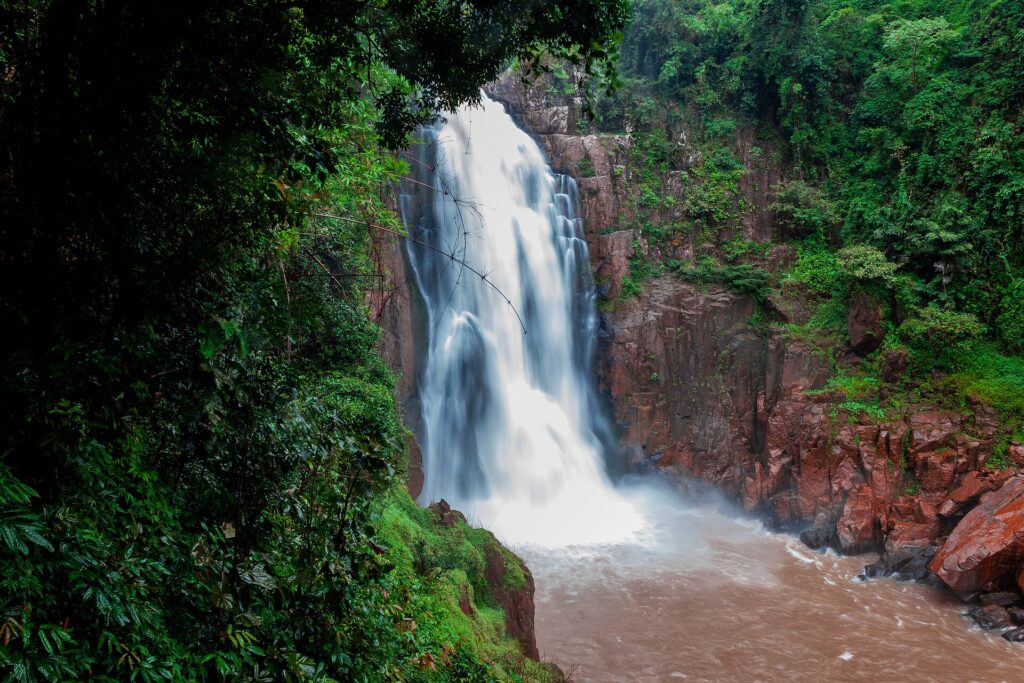
The waterfall sits in the southern part of the park, on the stretch of road that runs from the visitor centre towards the Noen Hom gate in Prachinburi Province. From the signposted car park, a sealed path leads about one kilometre through forest and bamboo, crosses a footbridge and ends with steep staircases down to the viewing platforms. From the platforms you see the upper part of the falls, particularly the large second tier; the full height is difficult to take in from any single point.
Haew Narok is also remembered for a sad event. In October 2019, eleven wild elephants died after falling at the waterfall while trying to cross the stream, a tragedy that drew attention to the risks wildlife face in the rainy season. The area has since been the focus of safety and monitoring measures by park authorities.
Main highlights
- The main viewing platforms, facing the powerful middle tier in a narrow, misty gorge.
- The forest walk, with bamboo thickets, tall trees and birdlife along the way.
- The drive itself, which crosses some of the park’s wildest country between the visitor centre and the southern gate.
Best time to visit
Visit between June and October for the most spectacular flow; by the end of the dry season the falls can be reduced to a trickle. Mornings are cooler for the stair climb and usually quieter. After heavy rain, check with park staff whether the path is open.
Transportation information
From the northern Pak Chong gate, drive to the visitor centre and continue south for about 22 km, following the signs; the car park is on the side of the main road. Allow plenty of time, as the park road is winding and speeds are low. If you are coming from the south, enter through the Noen Hom gate, which is closer to the waterfall. A car or tour is essential.
Practical visitor tips
- The stairs are steep. Use the handrails and allow extra time on the way back up. The walk may be difficult for young children and people with limited mobility.
- Wear proper shoes, not sandals or heels – surfaces are often wet.
- Stay on the path and behind barriers. Swimming is forbidden and the river is dangerous.
- Bring water and snacks. The shop and restaurant at the car park may only open at busy times.
- Plan your day around it. Because it is so far south, many visitors combine Haew Narok with a drive out through the Noen Hom gate, or return north for a viewpoint in the afternoon.
Nearby accommodation
Most visitors stay on the northern side around Thanarat Road and Mu Si and make Haew Narok a day trip; see our pool villa resort guide and best hotels. Smaller hotels and resorts near the Noen Hom gate and Prachinburi are closer if Haew Narok is your main goal.
Related guides
References
Editorial note: Khao Yai Retreat is an independent travel information website. We do not own or operate any hotel, villa or attraction mentioned here, and listings are not paid placements. Facilities, prices and opening hours change, so please confirm details directly with the property or attraction before you travel.
Related articles
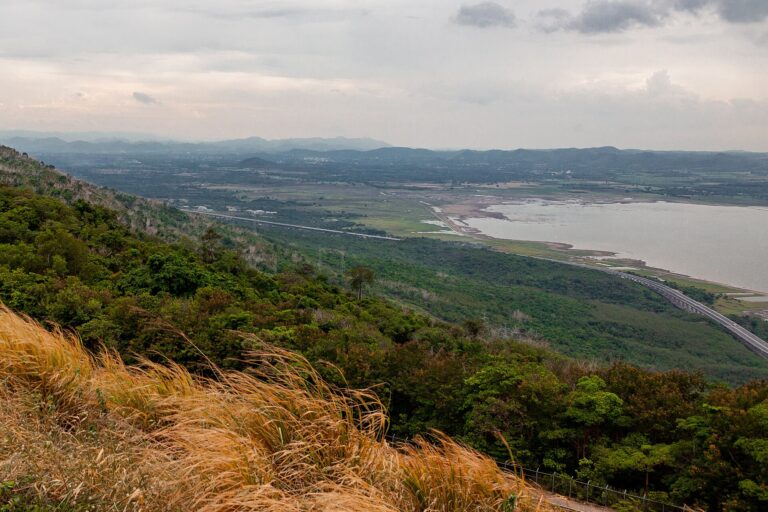
Scenic Mountain Viewpoints in Khao Yai
The best scenic viewpoints in Khao Yai: Pha Diao Dai, Khao Khiao, the Km 30 lookout and Nong Phak Chi tower, with…
Read the guide →
Ban Tha Chang Spring: Visitor Guide
Ban Tha Chang Spring near Khao Yai: clear blue-green pools for swimming and kayaking, location, reported hours and fees, and practical tips.
Read the guide →
Khao Yai Art Museum: Visitor Guide
Khao Yai Art Museum guide: Thai contemporary art galleries, sculpture garden, reported hours and admission, how to get there and nearby stays.
Read the guide →