Khao Yai National Park: Visitor Guide
Thailand’s first national park – gates, fees, zones, wildlife, the best stops and how to plan your visit.
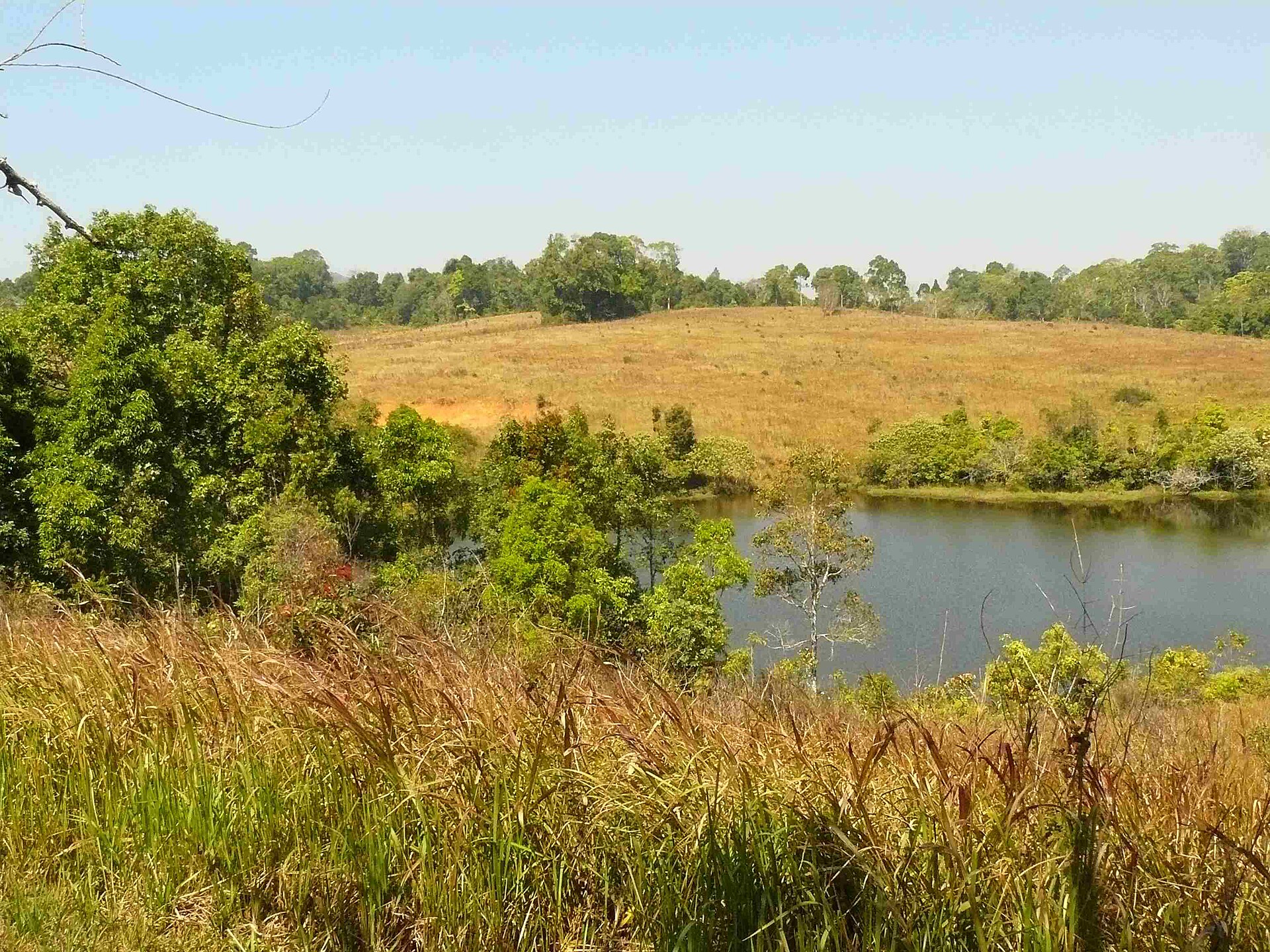
Photo: Mammalwatcher, CC0, via Wikimedia Commons
Introduction
Khao Yai National Park is the reason most travellers come to this part of Thailand. Covering roughly 2,000 square kilometres of evergreen forest, grassland and mountain across four provinces, it protects one of the largest remaining blocks of monsoon forest in mainland Southeast Asia. It is also remarkably accessible: the northern gate is about 2.5 to 3 hours’ drive from central Bangkok, and a single road runs through the park from north to south.
This guide gives an overview of the park, its main highlights, practical information and tips for visiting. For a step-by-step day plan, see our blog post A Complete Guide to Visiting Khao Yai National Park.
Destination overview
Khao Yai was declared Thailand’s first national park in 1962. In 1984 it became an ASEAN Heritage Park, and in 2005 it was inscribed by UNESCO as part of the Dong Phayayen–Khao Yai Forest Complex, which links five protected areas over about 615,500 hectares. UNESCO notes that the complex is home to more than 800 animal species, including 112 mammals and 392 birds.
The park’s main road runs from the Pak Chong gate in the north to the visitor centre, then continues south past Haew Narok Waterfall to the Noen Hom gate in Prachinburi Province. Side roads lead to waterfalls, campsites and the Khao Khiao summit road.
Main highlights
Waterfalls
- Haew Suwat – around 20–25 metres high, a short walk from the car park and famous from the film The Beach.
- Haew Narok – the park’s tallest at around 150 metres in three tiers, reached by a one-kilometre path with steep stairs.
- Pha Kluai Mai – a smaller waterfall about 7 km from the visitor centre, known for wild orchids.
- Kong Kaew – a small waterfall with a rope bridge, about 100 metres from the visitor centre.
Viewpoints
The road to Khao Khiao leads to Pha Diao Dai, a cliff-edge platform reached by a 450-metre boardwalk, and to the Khao Khiao viewpoint near the radar station, described by the park as the highest viewpoint in central Thailand. The Km 30 viewpoint on the main road is easy to reach and wheelchair accessible. See our viewpoints guide.
Wildlife
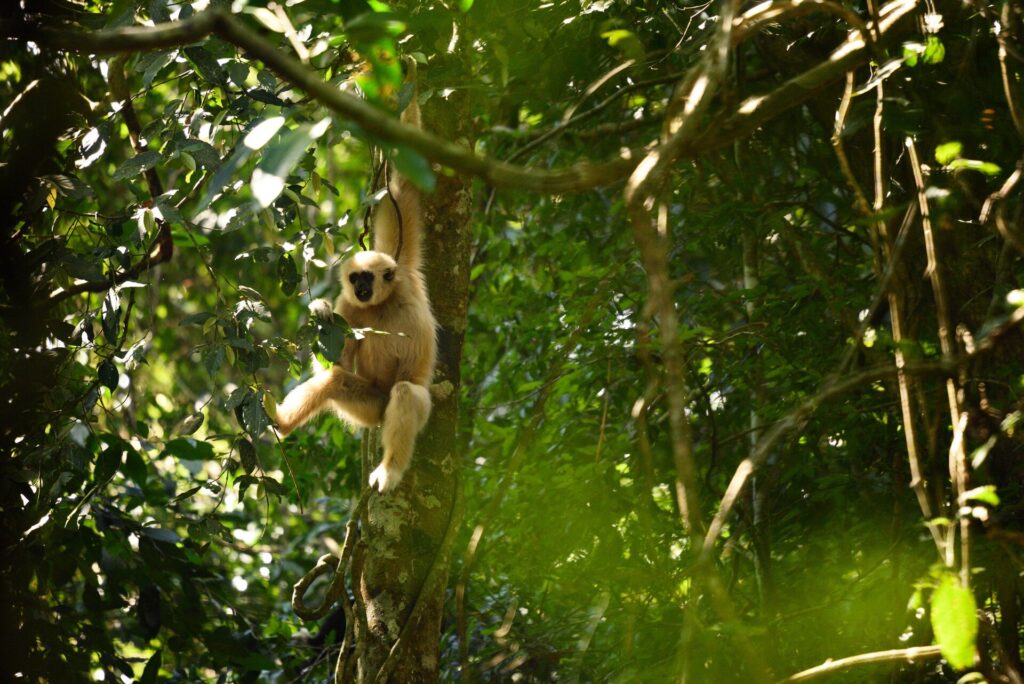
Commonly seen animals include sambar deer, barking deer, pig-tailed macaques, white-handed gibbons and hornbills. Wild Asian elephants live in the park and are sometimes seen on the road, especially in the early morning and evening. The Nong Phak Chi observation tower, about 20 metres tall and reached by a walk of around one kilometre from the 35 km marker, overlooks a grassland that animals visit.
Trails and activities
The park has many marked trails, from short paved paths to multi-hour hikes that require a ranger or licensed guide. Other activities include birdwatching, camping at sites such as Lam Takhong, night safaris by truck, photography and stargazing. Read our nature trails guide.
Best time to visit
- November to February: cool, dry and clear – the most comfortable season and the busiest.
- March to May: hotter and drier; wildlife gathers near water sources.
- June to October: green and wet, with the most powerful waterfalls. Leeches are common, and some viewpoints and trails may close (in 2025 the park closed viewpoints and the Pha Diao Dai trail from 1 June to 30 September).
Arrive at the 06:00 opening for the best wildlife sightings and the coolest temperatures, and avoid weekends and Thai public holidays if you can.
Transportation information
Most visitors drive themselves or hire a driver. From Pak Chong, follow Thanarat Road (Route 2090) to the northern gate; the visitor centre is a further drive inside the park. From the south, the Noen Hom gate is reached from Prachinburi via Route 3077. There is no public transport inside the park. The park notes that small tour buses may enter only through the Noen Hom gate, and vehicles taller than 3.5 metres or with more than six wheels are not permitted. Full details are in our Khao Yai travel guide.
Practical visitor tips
- One ticket, one day. The entry ticket is valid for entering and leaving on the same day.
- Elephant safety. If an elephant is on the road, stop well back, stay in your vehicle, keep the engine running and do not use your horn or flash.
- No feeding. Do not feed macaques or other animals, and keep food out of sight.
- No swimming at waterfalls. Swimming is prohibited at the main falls.
- Bring layers, water and leech socks (sold at the visitor centre).
- Fuel up in Pak Chong. Distances inside the park are long.
Nearby accommodation
The closest resorts are along Thanarat Road in Mu Si, 15–30 minutes from the northern gate. Inside the park, simple bungalows and campsites can be booked through the park. Compare options in our guides to pool villa resorts, luxury resorts and the best hotels in Khao Yai.
Directions to the visitor centre
References
- Khao Yai National Park: entry fees and hours
- Khao Yai National Park: places to go
- UNESCO World Heritage Centre
Editorial note: Khao Yai Retreat is an independent travel information website. We do not own or operate any hotel, villa or attraction mentioned here, and listings are not paid placements. Facilities, prices and opening hours change, so please confirm details directly with the property or attraction before you travel.
Related articles
Primo Piazza Khao Yai: Visitor Guide
Primo Piazza Khao Yai visitor guide: Tuscan-style village, animal feeding, reported ticket prices and hours, how long to spend and nearby stays.
Read the guide →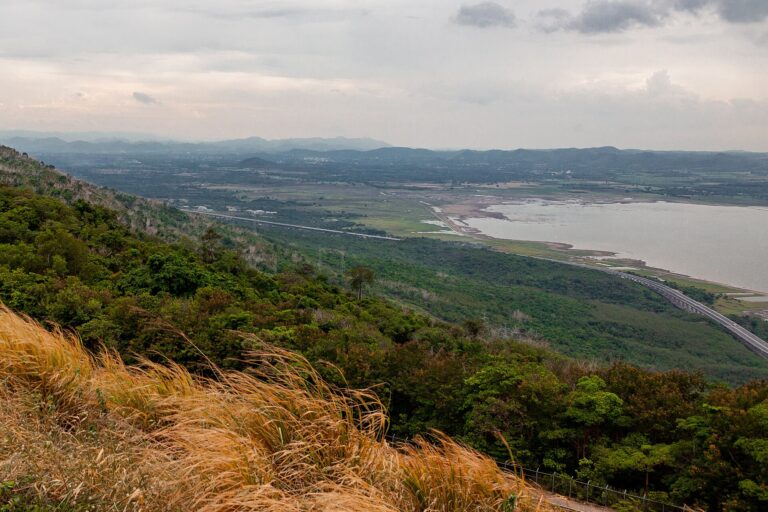
Scenic Mountain Viewpoints in Khao Yai
The best scenic viewpoints in Khao Yai: Pha Diao Dai, Khao Khiao, the Km 30 lookout and Nong Phak Chi tower, with…
Read the guide →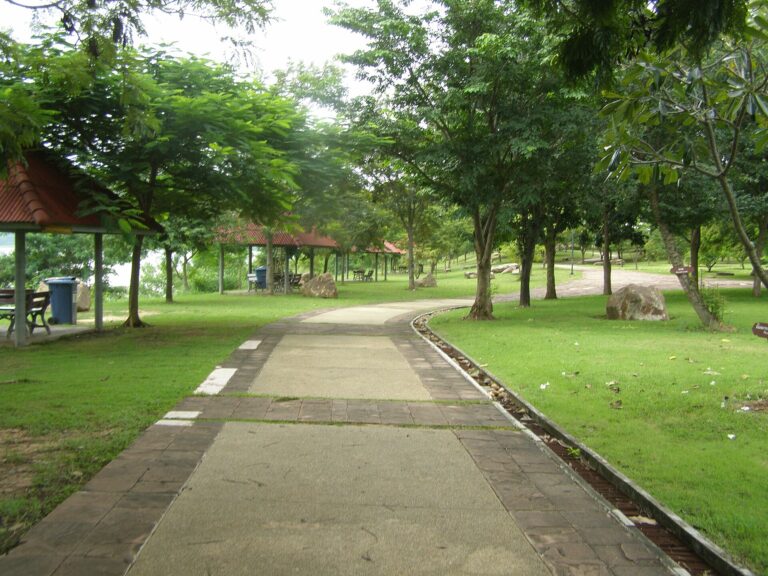
Ban Tha Chang Spring: Visitor Guide
Ban Tha Chang Spring near Khao Yai: clear blue-green pools for swimming and kayaking, location, reported hours and fees, and practical tips.
Read the guide →