Khao Yai Travel Guide
Everything you need to plan a trip to Khao Yai: getting there, when to go, park fees, where to stay and how to get around.
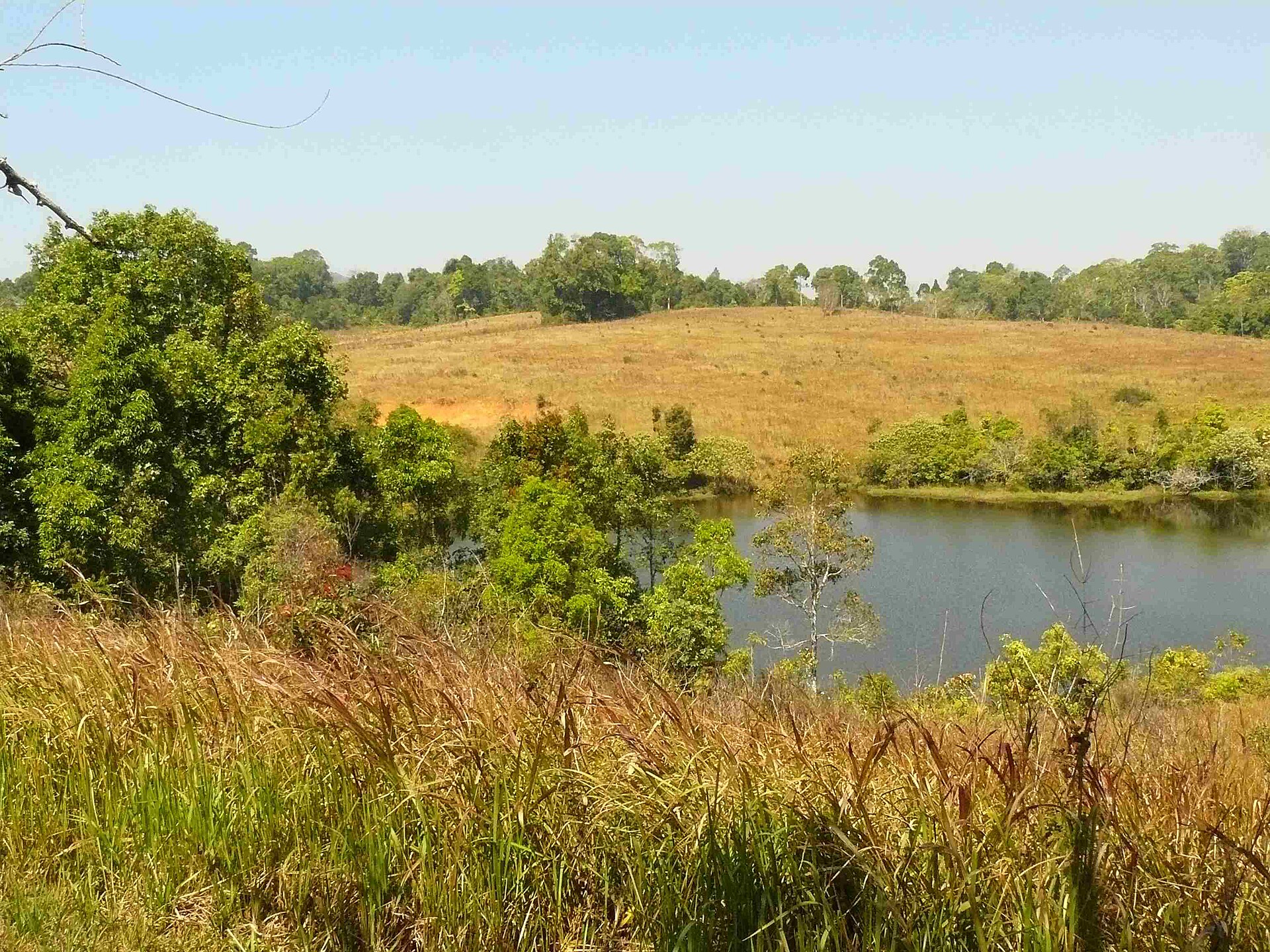
Photo: Mammalwatcher, CC0, via Wikimedia Commons
Khao Yai at a glance
“Khao Yai” means “big mountain” in Thai. The name refers both to Khao Yai National Park and to the wider holiday area around it, mainly in Pak Chong District of Nakhon Ratchasima Province. Established in 1962, Khao Yai was Thailand’s first national park, and in 2005 it was inscribed by UNESCO as part of the Dong Phayayen–Khao Yai Forest Complex, a World Heritage Site of five protected areas covering about 615,500 hectares.
Getting there from Bangkok
By car
Most visitors drive. From Bangkok, take Highway 1 (Phahonyothin Road) north, then Highway 2 (Mittraphap Road) through Saraburi towards Pak Chong. From Pak Chong, Thanarat Road (Route 2090) climbs to the park’s northern gate. Allow about 2.5 to 3 hours, longer on Friday evenings and holiday weekends.
By train
Trains from Bangkok’s Krung Thep Aphiwat Central Terminal on the north-eastern line stop at Pak Chong. The journey usually takes four to five hours. From Pak Chong station you will need a taxi, hotel transfer or rental vehicle.
By bus or van
Buses from Bangkok’s Mo Chit (Northern) Bus Terminal towards Nakhon Ratchasima stop in Pak Chong. As with the train, you will need onward transport to reach the resorts and the park.
By private transfer
Many resorts arrange car transfers from Suvarnabhumi Airport, Don Mueang Airport or central Bangkok. This is the most comfortable option if you do not want to drive.
When to visit
- Cool season (November–February): dry, sunny days and cool nights. The most popular time, with clear views and busy weekends.
- Hot season (March–May): warmer, though the hills are still more comfortable than Bangkok. Fewer crowds.
- Rainy season (June–October): lush forest and powerful waterfalls, but leeches on trails and some viewpoints and trails may close. In 2025, for example, the park closed viewpoints and the Pha Diao Dai trail from 1 June to 30 September.
Whatever the season, weekdays are much quieter than weekends and Thai public holidays.
Visiting Khao Yai National Park
The park has two main entrances: the northern Pak Chong (Chao Por Khao Yai) gate above Thanarat Road and the southern Noen Hom gate on the Prachinburi side. The visitor centre is in the middle of the park and is the base for information, trail maps and booking guides or night safaris.
Highlights include Haew Narok and Haew Suwat waterfalls, the viewpoints on Khao Khiao, the Nong Phak Chi observation tower and nature trails ranging from short boardwalks to full-day hikes. See our full Khao Yai National Park guide.
Getting around
There is no public transport inside the park, and attractions outside the park are spread along long roads. Your options are:
- Self-drive (an International Driving Permit is required for most foreign licence holders).
- A car with driver for the day, arranged through your hotel.
- Guided tours, which often combine the park, waterfalls and a night safari.
Where to stay
Most accommodation is along Thanarat Road in Mu Si and in the surrounding countryside. Read our guides to pool villa resorts, luxury resorts and the best hotels in Khao Yai.
Map of Khao Yai
The map is centred on Khao Yai National Park. Key places to locate:
- Pak Chong town – train station and Highway 2
- Thanarat Road (Route 2090) – the main hotel and restaurant strip
- Northern (Pak Chong) gate and the visitor centre
- Haew Suwat and Haew Narok waterfalls
- Noen Hom gate on the Prachinburi side
Directions to the visitor centre
Haew Suwat on Google Maps · Haew Narok on Google Maps · Pak Chong station
Safety and etiquette
- Wild elephants use the park roads. If you meet one, stop at a safe distance, keep the engine running, do not honk or get out, and wait for it to move on or reverse slowly.
- Do not feed animals, including macaques, and keep food out of sight.
- Do not swim at waterfalls; swimming is prohibited at the main falls.
- Stay on marked trails and hire a guide for longer hikes.
- Wear leech socks in the rainy season; they are sold at the visitor centre.
- Take your rubbish with you and respect quiet hours at campsites.
Next, see the best things to do in Khao Yai or practical tips in our guide for international visitors.
Official resources
- Khao Yai National Park official website
- UNESCO: Dong Phayayen-Khao Yai Forest Complex
- Tourism Authority of Thailand
Editorial note: Khao Yai Retreat is an independent travel information website. We do not own or operate any hotel, villa or attraction mentioned here, and listings are not paid placements. Facilities, prices and opening hours change, so please confirm details directly with the property or attraction before you travel.