Khao Yai Travel Guide for International Visitors
Practical essentials for travellers from abroad: entry, money, driving, transfers, connectivity, etiquette and safety.
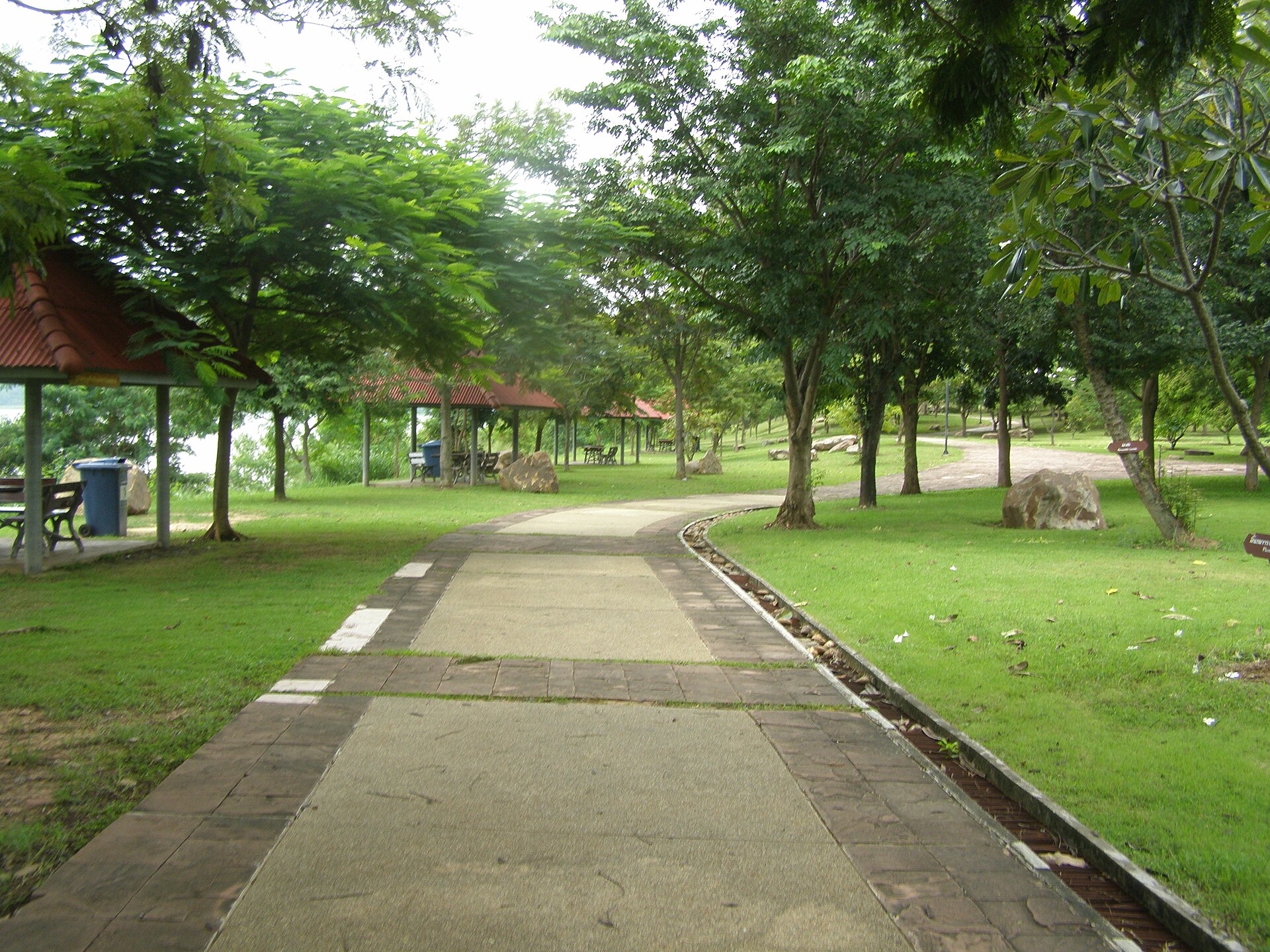
Photo: CHAMRAT CHAROENKHET, CC BY 3.0, via Wikimedia Commons
Our main Khao Yai travel guide explains the destination: where it is, when to go and what to see. This companion article covers the practical essentials for international visitors – the details that make the difference between a smooth trip and a stressful one.
Entering Thailand
Many nationalities can visit Thailand visa-free for short tourist stays, but the rules and permitted lengths of stay have changed several times in recent years. Check the official Thai e-Visa website or your nearest Thai embassy before booking. Foreign visitors arriving by air are also asked to complete the Thailand Digital Arrival Card (TDAC) online before arrival; check the current requirement with your airline or the Thai immigration authorities. Make sure your passport is valid for at least six months.
Getting from the airport to Khao Yai
There is no airport in Khao Yai. Fly into Bangkok’s Suvarnabhumi (BKK) or Don Mueang (DMK) airport, then:
- Private transfer: the simplest choice, often arranged by your resort. Expect around 2.5–3.5 hours depending on traffic and airport.
- Rental car: available at both airports. See the driving section below.
- Train or bus: travel into Bangkok first, then take a train from Krung Thep Aphiwat Central Terminal or a bus from Mo Chit to Pak Chong, and a taxi or transfer from there.
Driving in Thailand
- Thailand drives on the left.
- Most foreign licence holders need an International Driving Permit alongside their national licence; check that your travel insurance covers driving.
- Highways are good, but expect heavy lorries on Highway 2 and motorcycles everywhere.
- Inside the national park, drive slowly and watch for wildlife, including elephants.
- Avoid driving after dark on rural roads where possible.
If you would rather not drive, hire a car with a driver for the day through your hotel.
Money and payments
- The currency is the Thai baht (THB).
- Resorts and larger restaurants accept credit cards; smaller restaurants, markets and park fees may require cash.
- ATMs are easy to find in Pak Chong and along Thanarat Road; foreign cards usually incur a withdrawal fee.
- Tipping is not compulsory but appreciated for good service; many resorts add a service charge.
Staying connected
Buy a local SIM or eSIM at the airport or online before you fly. Mobile coverage is good in Pak Chong and the resort areas but can be patchy inside the national park. Download offline maps before your park day. Ride-hailing coverage is limited outside Pak Chong town, so arrange transport in advance.
Language
Staff at resorts usually speak English; in local restaurants and markets, English may be limited. A translation app and a few Thai words help: sawasdee (hello), khob khun (thank you, adding krub or ka for politeness) and mai phet (not spicy).
Health and safety
- Use insect repellent, particularly at dusk and in the rainy season.
- Drink bottled or filtered water.
- Take travel insurance that covers medical care and activities such as hiking.
- In an emergency, call 1669 for ambulance services or 1155 for the Tourist Police (English-speaking).
- Follow national park rules: do not feed animals, do not swim at waterfalls and stay on trails.
Etiquette
- Dress modestly at temples and shrines, including the Chao Por Khao Yai Shrine near the northern gate.
- Remove shoes when entering homes and some shops or cafes where you see shoes outside.
- Speak respectfully about the Thai monarchy; it is protected by strict laws.
- Keep your voice down in the park and respect quiet hours at campsites.
What to pack
- A warm layer for cool evenings (November–February).
- Light rain jacket (June–October).
- Closed walking shoes, swimwear and sun protection.
- Universal adaptor (Thailand uses 220V; type A, B, C and O sockets are common).
- Binoculars for wildlife.
Useful resources
Now choose your base with our where to stay in Khao Yai guide.
Editorial note: Khao Yai Retreat is an independent travel information website. We do not own or operate any hotel, villa or attraction mentioned here, and listings are not paid placements. Facilities, prices and opening hours change, so please confirm details directly with the property or attraction before you travel.
Related articles
Khao Yai Weekend Getaway: A Two-Day Travel Itinerary
A relaxed two-day Khao Yai itinerary from Bangkok: art, Thai food, a dawn national park visit, waterfalls, viewpoints and a winery lunch.
Read the guide →
Where to Stay in Khao Yai: Luxury Resorts and Boutique Hotels
Where to stay in Khao Yai: compare Thanarat Road, Pong Ta Long, Wang Katha, Pak Chong and the national park, and find…
Read the guide →
A Complete Guide to Visiting Khao Yai National Park
A step-by-step guide to visiting Khao Yai National Park: transport, what to bring, best routes, guides, night safaris and park rules.
Read the guide →